Skip to content

Finding a wasp nest can be a tricky task, especially if you’re dealing with aggressive wasps or if the nest is hidden in a hard-to-reach place. If you suspect there’s a nest nearby, it’s crucial to be prepared. Whether you’re trying to get rid of the nest yourself or need to call a professional, understanding how to spot these nests can help prevent dangerous encounters. In this article, we’ll guide you through the process of finding a wasp nest, share signs to look for, and give tips on how to approach the situation safely.
How Do You Find a Wasp Nest?
Identifying Wasp Behavior and Signs of a Nest
Before you begin searching for a wasp nest, understanding the signs that indicate one might be near is essential. Wasps are often drawn to areas where food is abundant, so spotting one near trash cans or sweet-smelling areas is a good indicator.
Watch for Wasps Entering and Exiting:
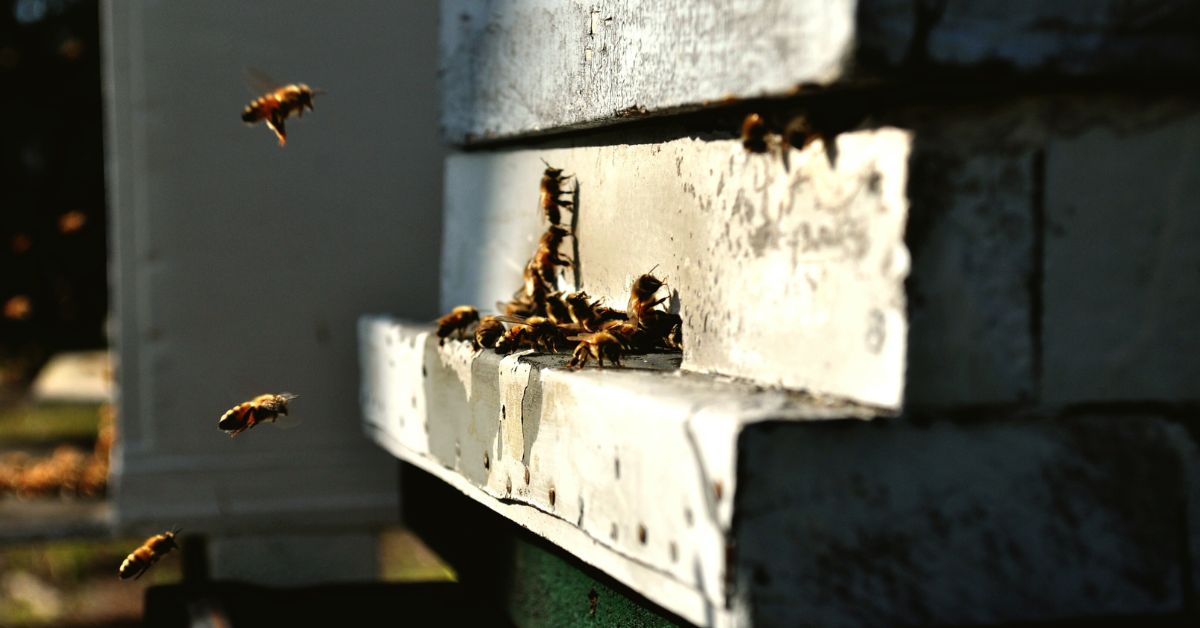
One of the most effective ways to locate a wasp nest is by observing the wasps’ flight patterns. Watch for wasps consistently entering and exiting a specific area, typically around dawn or dusk. This behavior often indicates the presence of a nearby nest, helping you pinpoint its exact location.
Look for Activity During Daytime:
Wasps are most active during the day, especially in warm weather. Observe the area during daylight hours to spot increased wasp activity, such as frequent flying or hovering around specific spots. This daytime activity often signals the proximity of a nest, making it easier to track down and locate its exact location.
Common Locations Where Wasps Build Their Nests
Wasp nests can be found in various places, from inside walls to trees. However, knowing the common locations can help narrow down your search:
In Trees:
Wasps commonly build their nests in trees, typically hanging from branches or nestled in sheltered spots like under leaves. These Locate Wasp Nest are often visible from a distance, especially when the colony grows larger. Look for a papery, grayish structure that may resemble a honeycomb. Trees provide an ideal environment, offering protection and access to food sources nearby.
In Roofs or Attics:
Wasps often build nests in the hidden spaces of roofs or attics, where they can be protected from the elements. These nests are typically tucked away in small gaps, vents, or cracks. The presence of wasps flying in and out of roof spaces is a clear sign that a nest might be located within.
Under Eaves or Overhangs:
Wasps frequently build nests under eaves or overhangs, where the structure offers shelter and protection from the weather. These areas are often overlooked, making them ideal nesting spots. Look for a papery, grayish nest hanging from the underside of the eaves or overhang, with wasps flying in and out regularly during the day.
Behind or Inside Walls:
Wasps sometimes build nests inside walls, using small gaps or cracks as entry points. These nests are harder to spot but can be detected by hearing buzzing sounds or noticing wasp activity around vents or holes. If you suspect a nest behind a wall, it’s best to seek professional help for safe removal.
Look for the Nest’s Physical Signs
Once you’ve identified potential areas, you can start looking for physical signs of a nest:
Papery Texture:
Wasp nests have a distinctive papery texture, made from wood fibers chewed and mixed with saliva. This creates a grayish, lightweight, and layered surface. The nest’s outer layers are smooth, while the inner chambers resemble a honeycomb structure. The papery texture is a key indicator of a wasp nest, making it easier to identify.
Size and Shape:
Wasp nests vary in size, from small to large, but generally have a rounded or oblong shape. As the colony grows, the nest expands, often becoming several layers thick. The size and shape of the nest can help determine its age and the activity level of the wasp colony inside, with larger nests indicating a mature colony.
Visible Openings:
Wasp nests typically have small openings where wasps enter and exit. These openings are often located at the bottom or side of the nest, and you may observe wasps flying in and out during daylight hours. The presence of visible openings is a clear sign that a nest is active and should be approached with caution.
Tips for Locating a Wasp Nest Safely
Wear Protective Clothing
When searching for a wasp nest, your safety should always come first. Wasps can be aggressive when their nests are disturbed, and you don’t want to get stung.
Wear Long Sleeves and Pants:
When searching for or dealing with a wasp nest, it’s essential to protect your skin from stings. Wearing long sleeves and pants helps cover exposed areas, reducing the risk of being stung. Opt for thick, durable fabrics to ensure maximum protection while working in areas where wasps are active.
Use a Hat or Helmet:
To further protect yourself from wasp stings, wearing a hat or helmet is crucial. These items shield your head, one of the most vulnerable areas during a potential attack. A wide-brimmed hat or a full helmet can offer additional safety, keeping wasps from getting too close to your face and scalp.
Safety Goggles and Gloves:
Wearing safety goggles and gloves provides extra protection when dealing with wasp nests Roaches Are in Florida. Goggles shield your eyes from stings and flying debris, while gloves protect your hands from being stung or injured. Both are essential for reducing risk, especially when working near a nest or handling equipment to remove it.
How to Use a Wasp Trap to Help Find the Nest
Using a wasp trap can be an effective way to lure wasps and track them back to their nest:
Set the Trap Near High Activity Areas:
To attract wasps and trace their movements, place a wasp trap in areas with high activity. Focus on spots where you’ve noticed frequent wasp flights, such as near garbage bins, flowers, or fruit trees. By setting the trap in these areas, you’ll increase the chances of capturing wasps and tracking them back to their nest.
Observe Their Behavior:
After setting the trap, carefully watch the wasps’ movements. Pay attention to how they fly in and out of the trap, as this can provide valuable clues about their nesting location. Observing their behavior helps you identify patterns and track them back to their nest, making it easier to locate and assess the situation.
Avoid Disturbing the Nest
Once you’ve located the nest, it’s important not to disturb it, especially if you’re unsure of the safety protocols for removal. Disturbing a wasp nest can lead to stings or an aggressive attack.
Keep Your Distance:
When you locate a wasp nest, it’s important to maintain a safe distance. Wasps can become aggressive if they feel threatened, so staying at least 10-15 feet away minimizes the risk of stings. This distance allows you to observe the nest without disturbing the wasps, ensuring your safety while gathering information for removal.
Call a Professional:
If the wasp nest is large, difficult to reach, or located in a high-risk area, it’s best to call a professional. Pest control experts have the necessary tools and experience to safely remove the nest without risking injury. Professional help ensures a thorough and safe removal, preventing future infestations or stings.
What to Do Once You Find a Wasp Nest?
Assess the Situation
Once you’ve located the wasp nest, carefully assess the surroundings and determine the level of risk. Consider factors like the nest’s proximity to your home, the number of wasps, and whether it’s in a high-traffic area. This evaluation will help you decide whether to handle the removal yourself or call a professional for assistance.
Consider Removal Options
There are several ways to remove a wasp nest, depending on the nest’s location and the severity of the infestation.
DIY Methods:
For small and accessible nests, DIY removal methods can be effective. Use a wasp spray designed for nests, ensuring you apply it from a safe distance, preferably at night when wasps are less active. Wear protective clothing and approach carefully. Always follow the instructions on the spray to ensure safe and effective removal Water Your Lawn in Florida.
Professional Removal:
For large or hard-to-reach nests, professional removal is the safest option. Pest control experts have the tools, experience, and protective gear needed to remove nests efficiently. They can assess the situation, eliminate the nest, and prevent future infestations. Hiring a professional ensures the job is done safely and effectively without risking injury.
FAQs
Q: How do I know if there’s a wasp nest nearby?
A: You can spot a wasp nest by watching for wasps entering and exiting a specific location, especially during daylight hours. Check common nesting areas such as roof eaves, trees, and walls.
Q: Is it safe to approach a wasp nest?
A: Approaching a wasp nest can be dangerous. Always wear protective clothing and maintain a safe distance. If unsure, contact a professional.
Q: Can I remove a wasp nest on my own?
A: While small, accessible nests can be removed by using wasp nest sprays, it’s safer to hire a professional for large or high-risk nests.
Q: How long does it take to find a wasp nest?
A: The time it takes to find a wasp nest varies. It depends on the wasp activity and how hidden the nest is. Typically, a few hours of observation can help.
Q: Can a wasp nest cause damage to my home?
A: Yes, if a nest is located inside walls or roofs, it can lead to structural damage, especially as the nest grows. It’s essential to address any nests found in or near your home promptly.
Conclusion
Finding a wasp nest can be a challenging task, but with the right knowledge and approach, it becomes easier and safer. By observing wasp activity, checking common nesting locations, and following safety protocols, you can effectively locate and deal with a wasp nest. Always prioritize your safety and consider professional help when dealing with large or high-risk nests. Remember, a calm and methodical approach will help you manage the situation effectively.