Skip to content

Locating a wasp nest is essential for homeowners and anyone who might encounter wasps on a regular basis. Wasps can pose serious risks, including painful stings and potential allergic reactions. By understanding how to identify their nests, you can ensure your safety and avoid dangerous situations. In this guide, we’ll walk you through the steps to identify wasp nests and how to safely handle the situation.
What Wasp Nest Behavior and Types
Wasps build nests in various locations, including trees, under eaves, in wall cavities, and even underground. Identifying a nest starts with understanding the behavior of wasps. Keep an eye out for frequent flying patterns or an unusually high number of wasps in a specific area Nesting Habits & Survival Secrets.
You’ll also want to familiarize yourself with the different types of wasps:
Yellowjackets:
Yellowjackets are aggressive wasps known for their black and yellow striped bodies. Unlike other wasp species, they often build nests underground or in wall cavities. They can become highly defensive, especially when their nest is disturbed, and can sting multiple times, causing pain or allergic reactions. Yellowjackets are commonly found in late summer and early fall.
Paper Wasps:
Paper Wasps are known for their distinctive umbrella-shaped nests made from paper-like material. These wasps are generally less aggressive than yellowjackets but will defend their nests if threatened. They are often found in sheltered areas like under roof eaves, tree branches, or in attics. Paper wasps are beneficial as they control pests like caterpillars.
Hornets:
Hornets are large, aggressive wasps with black and white or yellow markings. They build large, round nests made of papery material, often in trees, attics, or sheltered spaces. Hornets are more territorial and protective of their nests compared to other wasps, and their stings are painful, potentially causing allergic reactions. They can sting multiple times.
Signs of a Wasp Nest in Your Vicinity
To detect a wasp nest, look for these key indicators:
Frequent Wasps:
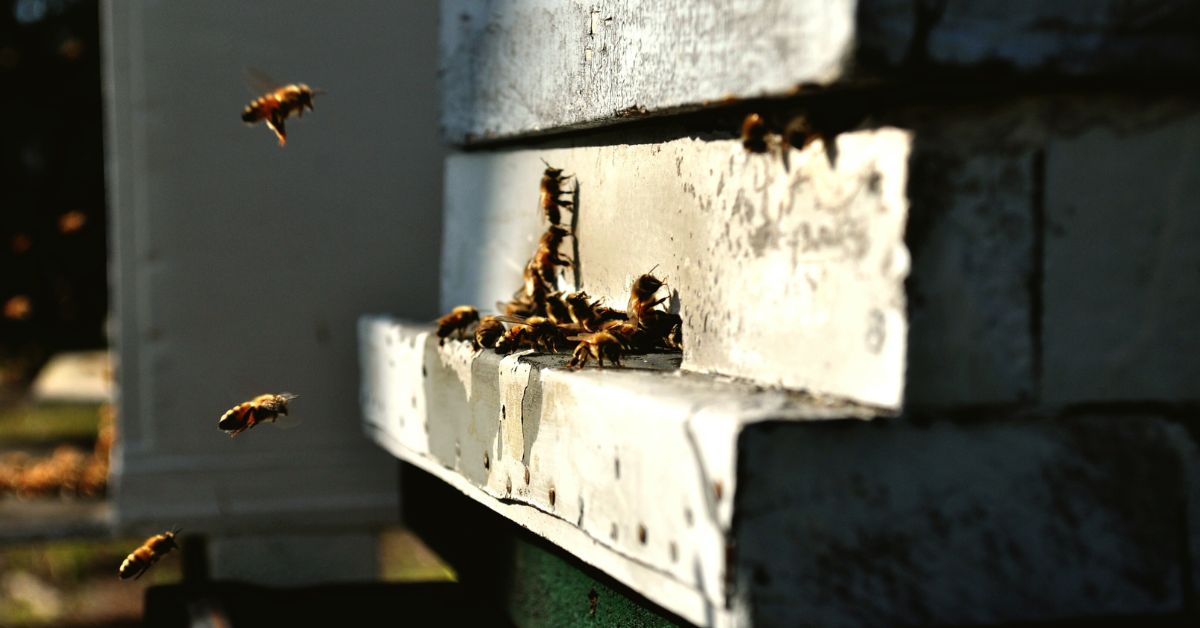
Frequent Wasps are a common sign of a nearby nest. If you notice wasps consistently flying in and out of a specific area, it often indicates a nest is nearby. These wasps can be from various species, such as yellowjackets or paper wasps, and their regular activity can help you pinpoint the nest’s location for safe removal.
Nest Structure:
Nest Structure refers to the physical design of a wasp nest, which is typically made from paper-like material. The nests can vary in size and shape, often resembling an umbrella or a spherical structure. They are usually found in sheltered locations such as tree branches, eaves, or attics. The intricate, layered design helps protect the colony inside.
Flight Patterns:
Flight Patterns refer to the predictable paths that wasps follow when entering or leaving their nest. Typically, wasps fly in a straight line to and from their nest. Observing these patterns can help pinpoint the nest’s location, as wasps tend to return to the same entry point repeatedly, especially during the day when they are most active.
Important Tip:
Use a Long-Range Binocular is a helpful method for spotting a wasp nest from a safe distance. By observing the flight patterns of wasps without getting too close, you can identify where they’re entering or exiting. This tool helps you stay out of harm’s way while still gathering important information about the nest’s location.
Safe Ways to Locate the Nest
Locating the nest doesn’t have to be a dangerous task. Here’s how to do it safely:
Use a Long-Range Binocular:
Track Their Movements involves observing wasps as they fly to and from a specific area. By watching their consistent flight paths, you can determine the location of the nest. This method is effective for identifying hidden nests in trees, eaves, or walls, helping you locate them safely without disturbing the wasps or risking stings.
Track Their Movements:
Wear Protective Gear is crucial when inspecting or dealing with wasp nests. Gear such as long sleeves, pants, gloves, and a hat or face shield helps protect you from potential stings. If you need to approach a nest, this clothing acts as a barrier, reducing the risk of wasp attacks while you assess or remove the nest.
Wear Protective Gear:
Check Common Nesting Sites involves inspecting areas where wasps are likely to build nests, such as under roof eaves, tree branches, sheds, or in wall cavities. Wasps often prefer sheltered, undisturbed locations for nesting. By focusing on these areas, you can increase the chances of locating a nest before it becomes a danger to your home or property Water Your Lawn in Florida.
Check Common Nesting Sites:
Time of Day plays a crucial role in safely locating a wasp nest. Early mornings or late evenings are the best times to observe wasps, as they are less active and more likely to be in or around the nest. This reduces the risk of aggression, allowing you to safely track their movements and pinpoint the nest location.
Time of Day:
Early mornings or evenings are the safest times to look for nests as wasps are less active then.
What to Do After Locating a Wasp Nest
After you’ve located the nest, it’s important to decide what action to take:
-
Don’t Approach: Wasps can be highly defensive, especially during the nesting season. It’s best to leave the area.
-
Call a Professional: If you’re uncertain about handling the nest, it’s best to call a pest control expert.
-
Avoid Harm: Using DIY methods such as spraying insecticides can sometimes worsen the situation and provoke the wasps.
How to Deal With Wasp Nests Safely
Dealing with a wasp nest requires caution. Here are some ways to approach it:
-
Professional Removal: The safest and most effective option is to hire a pest control expert who can remove the nest professionally.
-
Do-It-Yourself Solutions: If you opt for DIY, make sure to use wasp sprays during the evening when they are least active.
-
Protective Gear: If handling the nest yourself, wear protective clothing such as a beekeeper suit or heavy-duty gloves to avoid stings.
FAQs
Q: How can I find a wasp nest in my attic?
A: Check for unusual activity around vents, eaves, or cracks in the ceiling. Wasps often build nests in dark, undisturbed places like attics.
Q: Can I remove a wasp nest myself?
A: It’s best to call a professional to remove a wasp nest, as they can be dangerous to handle. However, if you must do it yourself, use protective gear and an insecticide spray.
Q: What should I do if I see a wasp nest in a tree?
A: Keep your distance and avoid disturbing the nest. If the nest poses a danger, contact a pest control service for safe removal.
Q: Are wasp nests dangerous?
A: Yes, wasp nests can be dangerous, especially if the wasps feel threatened. They can sting multiple times, causing pain or allergic reactions.
Q: What time of day is safest to inspect a wasp nest?
A: The best time to inspect a wasp nest is early morning or late evening when the wasps are less active.
Conclusion
Locating a wasp nest can be tricky, but it is an essential part of ensuring your safety at home or in your garden. By watching for signs of wasp activity, identifying the nesting sites, and taking proper precautions, you can reduce the risk of dangerous encounters. If you’re unsure or find yourself in a hazardous situation, always seek professional help. Remember, safety should always be your top priority when dealing with wasps.